
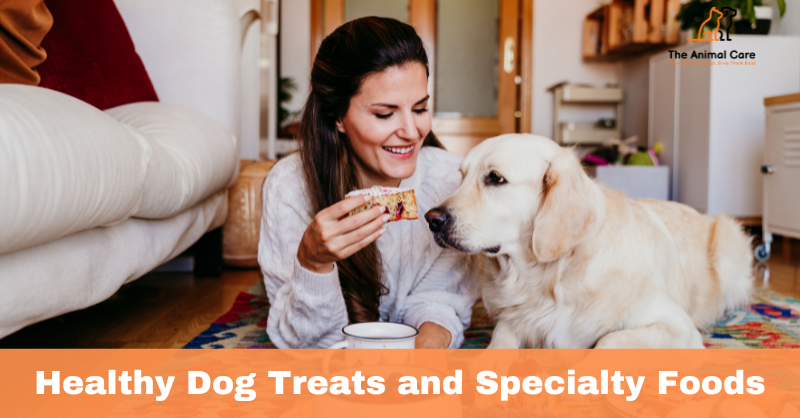
Guide & Tips to Healthy Dog Treats and Specialty Foods

The Ultimate Guide to Healthy Dog Treats and Specialty Foods

Why Dog Treats and Specialty Foods Matter for Dog Health

Treats are more than just rewards—they play a key role in your dog’s overall wellbeing. The right treats support dog nutrition, encourage good behaviour during training, and provide mental stimulation. Specialty foods like dog food toppers and dog supplements can enhance a balanced dog diet, addressing specific needs such as joint support or digestion.

In the UK, dog owners increasingly prioritise health-focused options. Trends show a shift towards natural ingredients, functional benefits, and minimal processing. Choosing wisely helps maintain your dog’s weight, energy levels, and long-term dog health, while avoiding unnecessary calories or poor-quality additives.

Types of Dog Treats

Dog treats come in various forms to suit different purposes:

  • Training treats — Small, soft, and low-calorie for quick rewards during walks or obedience sessions.
  • Dental treats — Designed to reduce plaque and support oral health through chewing action.
  • Functional treats — Target specific wellness areas, such as calming for anxiety or joint support.
  • Everyday chews — Longer-lasting options for boredom-busting or dental benefits.
  • High-value rewards — Strong-smelling treats ideal for motivation in challenging training.

Selecting the right type ensures treats contribute positively to your dog’s routine.

Illustrated chart showing different dog treat types, including training treats, dental treats, functional treats, everyday chews, and high-value reward treats.

Table of Contents

Woman feeding a dog indoors at home, placing food bowls on the floor as part of a calm and routine dog feeding practice.

Freeze-Dried Dog Treats: Benefits, Safety, and Popularity

Freeze-dried dog treats have surged in popularity due to their minimal processing. The freeze-drying method removes moisture while preserving nutrients, flavour, and texture.

Key benefits include:

  • High nutrient retention — Vitamins, minerals, and proteins stay intact.
  • No added fillers or preservatives — Often made from single ingredients like meat or organs.
  • Excellent digestibility — Easier on sensitive stomachs.
  • Long shelf life — Convenient without refrigeration.
  • Ideal for training — Lightweight, aromatic, and appealing.

These treats are safe when sourced from reputable suppliers and fed in moderation. They’re especially popular for grain-free dog treats enthusiasts seeking pure, natural options.

Natural and Grain-Free Dog Treats Explained

Natural dog treats use wholesome, recognisable ingredients without artificial additives. Grain-free dog treats exclude wheat, maize, and similar grains, appealing to dogs with sensitivities.

Benefits of natural and grain-free options:

  • Fewer allergens for sensitive dogs.
  • Focus on high-quality proteins like meat, fish, or vegetables.
  • Cleaner ingredient lists for better transparency.

Many UK owners opt for these to align with a more holistic dog diet. Always check labels to ensure they’re complete and balanced where needed.

Functional Treats & Supplements

Functional treats go beyond basic rewards by including added benefits:

  • Joint support — Glucosamine or green-lipped mussel for mobility.
  • Skin and coat health — Omega-3s from fish oil.
  • Digestion aid — Probiotics or fibre sources.
  • Calming effects — Natural ingredients like chamomile for anxiety relief.

Dog supplements complement treats, often in chewable form. These can support specific life stages or conditions but should fit within a balanced diet.

Infographic showing the benefits of sensitive dog food, including allergen reduction, high-quality proteins, and clear ingredient transparency.
Infographic showing the benefits of functional dog treats, including joint support, skin and coat health, digestion aid, and calming effects.

Natural and Grain-Free Dog Treats Explained

Natural dog treats use wholesome, recognisable ingredients without artificial additives. Grain-free dog treats exclude wheat, maize, and similar grains, appealing to dogs with sensitivities.

Benefits of natural and grain-free options:

  • Fewer allergens for sensitive dogs.
  • Focus on high-quality proteins like meat, fish, or vegetables.
  • Cleaner ingredient lists for better transparency.

Many UK owners opt for these to align with a more holistic dog diet. Always check labels to ensure they’re complete and balanced where needed.

Functional Treats & Supplements

Functional treats go beyond basic rewards by including added benefits:

  • Joint support — Glucosamine or green-lipped mussel for mobility.
  • Skin and coat health — Omega-3s from fish oil.
  • Digestion aid — Probiotics or fibre sources.
  • Calming effects — Natural ingredients like chamomile for anxiety relief.

Dog supplements complement treats, often in chewable form. These can support specific life stages or conditions but should fit within a balanced diet.

Dog Food Toppers: What They Are and When to Use Them

Dog food toppers are nutrient-rich additions sprinkled over regular meals. They include freeze-dried meats, broths, or vegetable mixes.

Benefits:

  • Boost flavour for picky eaters.
  • Add moisture to dry kibble.
  • Increase protein or specific nutrients.
  • Encourage hydration and meal enjoyment.

Use them when your dog needs variety, extra nutrition, or help with appetite. They enhance meals without replacing complete food.

Homemade Dog Treats: Benefits, Risks, and Simple Guidance

Metal dog bowl filled with raw dog food including meat, egg yolk, broccoli, carrots, and leafy greens as part of a balanced canine diet.

Homemade dog treats offer control over ingredients and freshness. Benefits include cost savings, customisation for allergies, and bonding time.

Simple, safe ideas use dog-friendly staples:

  • Banana, peanut butter (xylitol-free), and oats.
  • Pumpkin puree with oats.
  • Sweet potato and peanut butter.

Risks:

  • Imbalanced nutrition if over-relied on.
  • Toxic ingredients (e.g., chocolate, grapes, xylitol).
  • Poor storage leading to spoilage.

Guidance:

  • Use vet-approved recipes.
  • Avoid salt, sugar, or harmful additives.
  • Bake at low temperatures to retain nutrients.
  • Store in airtight containers and use within days.

Start small to monitor your dog’s response.

How to Choose Safe, Healthy Dog Treats

Prioritise treats with:

  • Named meat or fish as the first ingredient.
  • Natural preservatives (e.g., vitamin E or rosemary).
  • Minimal processing.

Ingredients to avoid:

  • Artificial colours and flavours.
  • Excessive salt or sugar.
  • Xylitol (toxic sweetener).
  • Chemical preservatives like BHA/BHT.
  • Vague terms like “meat by-products” or fillers.

Look for AAFCO or similar standards where applicable. Read labels carefully for your dog’s size, age, and health needs.

Feeding Guidelines and Moderation Tips

Follow the 10% rule: Treats should not exceed 10% of your dog’s daily calories. The rest comes from balanced meals.

Tips:

  • Calculate based on your dog’s size and activity level.
  • Use small pieces for training to avoid overfeeding.
  • Adjust for weight management—reduce meal portions if adding treats.
  • Monitor body condition and adjust accordingly.

Moderation prevents obesity and maintains nutritional balance.

Common Mistakes Dog Owners Make with Treats

Infographic explaining how to choose and use dog treats safely, including avoiding meal replacement, monitoring calories, prioritising ingredients, preventing table scraps, and varying treats.

Many owners unintentionally overdo treats:

  • Using them as meal replacements.
  • Ignoring calorie content.
  • Choosing based on packaging appeal rather than ingredients.
  • Giving table scraps with hidden dangers.
  • Not varying treats, leading to boredom or sensitivities.

Awareness helps avoid these pitfalls for better dog health.

Conclusion

Incorporating healthy dog treats, natural dog treats, and specialty items like dog food toppers can enrich your dog’s life. Focus on quality ingredients, moderation, and variety to support dog nutrition and dog health.

Some Important Q & A

Small, soft, low-calorie options work best. High-value natural treats keep your dog engaged without filling them up.

They often retain more nutrients and use fewer additives, making them a healthy choice for many dogs.

Check the label—no wheat, maize, barley, or rice listed. Many highlight “grain-free” clearly.

Calming varieties with natural ingredients like L-theanine or herbs may support relaxation—combine with training.

They tend to be, but always verify the full ingredient list and suitability for your dog.

Recent Posts

January 30, 2026
top