
Course Overview
The Zoology & Animal Science course is the ultimate training program, designed to enlighten learners with the knowledge they need to take care of their Animals. Walking you through the basics to more specialist topics, it covers everything you need to know for the wellbeing of your pet, grow your pet or Animal Care business and much more.
Discover tips and guidance that will steer you towards excellence, with 7 modules expertly crafted modules designed by Animal Care Experts. Whether you want to ace that job interview, grow your confidence in the workplace, or gain the skills for self-mastery, this course is tailor-made to help you achieve your true potential.
What’s more, with our Zoology & Animal Science course, you’ll get to know your aspirations, strengths and weaknesses and how to nurture your pets. There are no specific entry requirements for this Zoology & Animal Science course, which can be studied on a part-time or full-time basis.
Learning Outcomes
- Familiarise With the Best Ways to Take Care of Your Pets
- Acquire Specialised Skills in Animal Care
- Get Valuable Insight Knowledge From Industry Experts
- Learn How to Handle Sudden Situation With Instant Solution
- Get 24/7 Tutor Support
- Opportunity to Learn From Trained Professionals
Course Media
Assesment
After completing all the modules of the course, your learning will be assessed by an automated multiple choice question exam. You can participate in the Mock Exam prior to commence the course completion Final Exam.
Who is this for?
The Zoology & Animal Science is certified by CPD Qualifications Standards, making it ideal for anyone trying to learn potential professional skills. The course is available for all students regardless of any academic background. No experience or qualification is required.
Why Should You Choose this Course
from Animal Care
At The Animal Care, we’re committed to helping you become more confident, capable, and informed—whether you’re a pet owner or aspiring to work with animals professionally. Our courses are crafted by experts and cover everything from pet behaviour and nutrition to grooming and first aid.
What sets us apart? You’ll receive CPD-accredited certification at no extra cost, along with lifetime access to all your learning materials. This means you can study at your own pace, revisit content anytime, and gain recognised credentials without added fees.
Thousands of learners trust The Animal Care for reliable, up-to-date, and easy-to-follow training that fits into real life. Whether you’re caring for your own dog or cat, or preparing to start a career in animal care, we provide the knowledge and confidence you need to do it well.
Requirements
No previous experience is required to enrol in this course. You can access the course from any kind of e-device anytime, anywhere.
Career Path
- Zookeeper / Animal Keeper
Provide daily care, feeding, enrichment, and health monitoring for animals in zoos, wildlife parks, or sanctuaries while maintaining enclosures and educating visitors.
Salary : £19,000 – £28,000 per year (average around £25,000–£26,500) - Animal Technician (Research / Laboratory)
Support the care, welfare, and handling of animals used in scientific research, breeding programmes, or laboratory studies while ensuring compliance with regulations.
Salary : £21,000 – £30,000 per year (average ~£26,000) - Wildlife Conservation Officer / Technician
Assist in habitat monitoring, species surveys, rehabilitation, and conservation projects for wild animals in reserves, trusts, or field-based organisations.
Salary : £22,000 – £35,000 per year - Animal Welfare Officer / Inspector (Entry-Level)
Inspect facilities, assess animal welfare standards, and support compliance with legislation in farms, sanctuaries, or animal-related businesses.
Salary : £23,000 – £34,000 per year - Zoological / Animal Science Educator or Outreach Assistant
Deliver educational sessions, workshops, and interpretive materials about animal biology and conservation in zoos, museums, or community programmes.
Salary : £20,000 – £32,000 per year - Field Ecology / Zoology Technician
Conduct fieldwork involving animal surveys, data collection, behavioural observations, and environmental sampling to support ecological research or consultancy projects.
Salary : £22,000 – £33,000 per year
Course Curriculum
| Module 01: Zoology | |||
| Zoology | 00:14:00 | ||
| Module 02: Animal Behaviours And Diversity of Life | |||
| Animal Behaviours and Diversity of Life | 00:21:00 | ||
| Module 03: Genetics and Breeding | |||
| Genetics and Breeding | 00:14:00 | ||
| Module 04: Vertebrate Zoology | |||
| Vertebrate Zoology | 00:17:00 | ||
| Module 05: Invertebrate Zoology | |||
| Invertebrate Zoology | 00:26:00 | ||
| Module 06: Animal Diseases | |||
| Animal Diseases | 00:24:00 | ||
| Module 07: Animal Health Care | |||
| Animal Health Care | 00:19:00 | ||
Certification
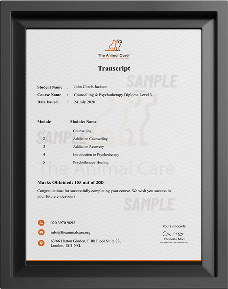
Once you’ve successfully completed this course, you can obtain the Digital (PDF) Certificate for only £4.99. Also, you can have your printed certificate delivered by post for only £9.99 (FREE POSTAGE). With these affordable pricing on certificates, we’re also offering the PDF Transcript for £2.99.
Also, you can have your printed transcript delivered by post for only £7.99 (FREE POSTAGE). All of our courses are fully accredited, providing you with up-to-date skills and knowledge and helping you to become more competent and effective in your chosen field. Our certifications have no expiry dates, although we do recommend that you renew them every 12 months.
Reviews
Write your review
Share your feedback and help create a better experience for everyone.

Renee W. Johnston
Jan 24, 2025
The final assessment is done today. theanimalcare.org is a useful site. Highly appreciating the exceptional content.

Susan J. Kalinowski
Feb 05, 2025
I found the courses very informative so far. A care is the first platform I am writing a review for. To the newbies- before taking an online course try to gather some info about the provider, a professional platform with top accreditation will be a good choice.

Charles A. Fischer
Jan 24, 2025
Simply amazing. Took few courses during my vacation and all were good. Online courses save time and money.
Frequently Asked Questions
Yes. Experiencing several adverse childhood experiences does not determine someone’s future health, relationships or achievements. Supportive relationships, positive environments, access to appropriate services and opportunities to develop resilience can help reduce the impact of childhood adversity. An ACE score indicates exposure to certain experiences, not a person’s potential, abilities or future outcomes.
No. Although research links adverse childhood experiences with an increased risk of certain mental and physical health difficulties, an ACE score cannot reliably predict an individual’s future. Two people with the same score may have very different experiences and outcomes. Factors such as the nature of the adversity, its duration, individual circumstances and protective relationships also matter.
Yes. Safe relationships, supportive caregivers, positive friendships, stable environments and trusted adults can help children develop resilience when facing adversity. These protective experiences can support emotional development, a sense of belonging and healthy coping skills. Recognising protective factors is therefore just as important as identifying the risks associated with adverse childhood experiences.
Not automatically. Asking about past adversity requires sensitivity, appropriate training, clear safeguarding procedures and access to suitable support if someone becomes distressed or discloses abuse. UK evidence reviews have also highlighted insufficient evidence to recommend universal ACE screening programmes. Professionals should therefore consider the purpose of asking, the individual’s circumstances and whether meaningful support is available.
Yes. Traditional ACE questionnaires cover a defined range of experiences, including abuse, neglect and household difficulties, but they do not capture every form of childhood adversity. Experiences such as homelessness, poverty, bullying, community violence and discrimination may also affect a child’s emotional wellbeing and development. Professionals should consider the wider circumstances of a child’s life rather than relying solely on an ACE checklist or numerical score.
Save Upto 95% - Ends Soon!
Offer Ends in
-
01 Year
Access
-
Level 3
Level
-
82
Students
-
2 hours, 15 minutes
Duration
Buying more than one of the same courses?
- 45% discount for orders of 10+ courses
- 55% discount for orders of 50+ courses
- 65% discount for orders of 100+ courses