
Course Overview

Canine Behaviour and First Aid Course is one of the most valuable investments you can make as a dog owner or anyone working with canines. Dogs bring immense joy to our lives, but when they show worrying behaviour or suddenly face a medical emergency, it’s easy to feel helpless.

This CPD-accredited course equips you to respond confidently and successfully in ordinary settings or emergencies by combining fundamental first aid skills with practical insights into why dogs behave the way they do.

This course provides practical knowledge that you can put to use right away, whether you’re trying to improve your relationship with your own dog, cope with difficult behaviors, or want the assurance that you can assist if your pet is hurt or ill. It is intended for people who wish to have a deeper understanding of their dogs while being ready to take action when it matters most. 

Canine Behaviour and First Aid Course gives you the tools and confidence to support happier, healthier dogs and potentially even save a life.

Learning Outcomes

Course Media

Assesment

After completing all the modules of the course, your learning will be assessed by an automated multiple choice question exam. You can participate in the Mock Exam prior to commence the course completion Final Exam.

Who is this for?

The Dog Behaviour and First Aid Course is certified by CPD Qualifications Standards, making it ideal for anyone trying to learn potential professional skills. The course is available for all students regardless of any academic background. No experience or qualification is required. ​

Why Should You Choose this Course
from Animal Care

At The Animal Care, we’re committed to helping you become more confident, capable, and informed—whether you’re a pet owner or aspiring to work with animals professionally. Our courses are crafted by experts and cover everything from pet behaviour and nutrition to grooming and first aid.

What sets us apart? You’ll receive CPD-accredited certification at no extra cost, along with lifetime access to all your learning materials. This means you can study at your own pace, revisit content anytime, and gain recognised credentials without added fees.

Thousands of learners trust The Animal Care for reliable, up-to-date, and easy-to-follow training that fits into real life. Whether you’re caring for your own dog or cat, or preparing to start a career in animal care, we provide the knowledge and confidence you need to do it well.

Requirements

No previous experience is required to enrol in this course. You can access the course from any kind of e-device anytime, anywhere.

Career Path

  • Dog Walker / Pet Sitter with First Aid & Behaviour Knowledge
    Caring for dogs while managing basic behaviour and responding to emergencies confidently.
    Salary: £12,000 – £25,000/year (or £10–£20/hour, self-employed)

  • Kennel or Doggy Daycare Assistant
    Working in boarding kennels or daycares, applying first aid when needed and managing group behaviour.
    Salary: £16,000 – £21,000/year

  • Animal Care Assistant (Shelters, Clinics)
    Supporting animal welfare, observing canine behaviour, and providing immediate first aid when necessary.
    Salary: £16,000 – £22,000/year

  • Veterinary Care Assistant (VCA) with Behaviour & First Aid Skills
    Helping veterinary teams manage stressed or injured dogs during treatment.
    Salary: £18,000 – £23,000/year

  • Canine Behaviour Assistant / Trainee Behaviourist
    Working under supervision to deliver training and behaviour modification plans, with added first aid expertise.
    Salary: £19,000 – £25,000/year

  • Professional Dog Trainer / Behaviour Consultant
    Running classes or private sessions addressing behavioural issues and advising on canine wellbeing.
    Salary: £28,000 – £38,000/year (employed)
    Self-employed trainers/consultants can earn £35,000 – £60,000+/year depending on clientele and location.

  • Doggy Daycare Manager / Business Owner
    Operating your own facility, offering behaviour-informed care and first aid-ready staff and services.
    Salary: £30,000 – £50,000+/year

  • Canine Behaviour Lecturer / Instructor
    Teaching others about dog behaviour, training, and emergency care.
    Salary: £28,000 – £45,000+/year

Course Curriculum

Canine Behaviour Training Course
Module 1: Introduction to Canine Behaviour 00:54:00
Module 2: Canine Communication Behaviour 00:33:00
Module 3: The Social Behaviour of Dogs 00:23:00
Module 4: Disruptive Behaviour in Dogs 00:29:00
Module 5: The Elimination Behaviour Problems in Dogs 00:19:00
Module 6: Canine Cognition 00:22:00
Module 7: Emotional Behaviour of Dogs 00:31:00
Module 8: Development of Behaviour 00:46:00
Pet First Aid
Introduction
Introduction 00:12:00
Collapse & Unconsciousness
Collapse & Unconsciousness 00:12:00
Cardiopulmonary Resuscitation
Cardiopulmonary Resuscitation 00:20:00
Shock
Shock 00:12:00
Bleeding
Bleeding 00:15:00
Bandaging
Bandaging 00:30:00
Fractures
Fractures 00:09:00
Seizures
Seizures 00:05:00
Chocking & Drowning
Choking & Drowning 00:07:00
Heat Stroke & Hypothermia
Heat Stroke & Hypothermia 00:05:00
Burns & Scalds
Burns & Scalds 00:07:00
Poisoning
Poisoning 00:10:00
Bites & Stings
Bites & Stings 00:05:00
Common Emergencies
Common Emergencies 00:17:00
Managing a First Aid Scenario
Managing a First Aid Scenario 00:05:00
Pet First Aid Kit
Pet First Aid Kit 00:10:00
Mock Exam
Mock Exam – Canine Behaviour and First Aid Course 00:20:00
Final Exam
Final Exam – Canine Behaviour and First Aid Course 00:20:00
Order Your Certificate
Order Your Certificate 00:00:00
Leave a Feedback!
Leave a Feedback! 00:00:00

Certification

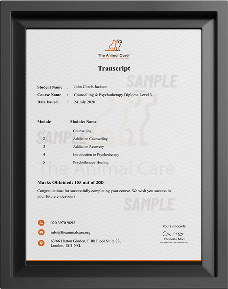
Once you’ve successfully completed this course, you can obtain the Digital (PDF) Certificate for only £4.99. Also, you can have your printed certificate delivered by post for only £9.99 (FREE POSTAGE). With these affordable pricing on certificates, we’re also offering the PDF Transcript for £2.99.

Also, you can have your printed transcript delivered by post for only £7.99 (FREE POSTAGE). All of our courses are fully accredited, providing you with up-to-date skills and knowledge and helping you to become more competent and effective in your chosen field. Our certifications have no expiry dates, although we do recommend that you renew them every 12 months.

Reviews

Write your review

Share your feedback and help create a better experience for everyone.

Renee W. Johnston

Jan 24, 2025

The final assessment is done today. theanimalcare.org is a useful site. Highly appreciating the exceptional content.

Susan J. Kalinowski

Feb 05, 2025

I found the courses very informative so far. A care is the first platform I am writing a review for. To the newbies- before taking an online course try to gather some info about the provider, a professional platform with top accreditation will be a good choice.

Charles A. Fischer

Jan 24, 2025

Simply amazing. Took few courses during my vacation and all were good. Online courses save time and money.

Frequently Asked Questions


Yes. Experiencing several adverse childhood experiences does not determine someone’s future health, relationships or achievements. Supportive relationships, positive environments, access to appropriate services and opportunities to develop resilience can help reduce the impact of childhood adversity. An ACE score indicates exposure to certain experiences, not a person’s potential, abilities or future outcomes.


No. Although research links adverse childhood experiences with an increased risk of certain mental and physical health difficulties, an ACE score cannot reliably predict an individual’s future. Two people with the same score may have very different experiences and outcomes. Factors such as the nature of the adversity, its duration, individual circumstances and protective relationships also matter.


Yes. Safe relationships, supportive caregivers, positive friendships, stable environments and trusted adults can help children develop resilience when facing adversity. These protective experiences can support emotional development, a sense of belonging and healthy coping skills. Recognising protective factors is therefore just as important as identifying the risks associated with adverse childhood experiences.


Not automatically. Asking about past adversity requires sensitivity, appropriate training, clear safeguarding procedures and access to suitable support if someone becomes distressed or discloses abuse. UK evidence reviews have also highlighted insufficient evidence to recommend universal ACE screening programmes. Professionals should therefore consider the purpose of asking, the individual’s circumstances and whether meaningful support is available.


Yes. Traditional ACE questionnaires cover a defined range of experiences, including abuse, neglect and household difficulties, but they do not capture every form of childhood adversity. Experiences such as homelessness, poverty, bullying, community violence and discrimination may also affect a child’s emotional wellbeing and development. Professionals should consider the wider circumstances of a child’s life rather than relying solely on an ACE checklist or numerical score.

Quick Pay
Canine Behaviour and First Aid Course
Original price was: £299.Current price is: £24.99. ex Vat

Save Upto 95% - Ends Soon!

Offer Ends in

  • validity Access
    01 Year
  • level Level
    Level 3
  • schedule Students
    364
  • schedule Duration
    7 hours, 58 minutes
Use Coupon: ALL39
£11 /Unit Price
£110
Quantity:

Buying more than one of the same courses?

  • 45% discount for orders of 10+ courses
  • 55% discount for orders of 50+ courses
  • 65% discount for orders of 100+ courses

Looking for a more personalised package?

contact us now
top