Animal Care Level 3 Course Overview

The Animal Care Level 3 Course is a comprehensive animal care course online for anyone who wants to understand how to care for different species safely and responsibly. It explores animal welfare, basic health, hygiene, first aid, nutrition and species-specific care.

Throughout this online animal care course, you will study the needs of dogs, puppies, cats, kittens, horses, birds, rabbits, guinea pigs, ornamental fish and reptiles. You will also develop essential knowledge of animal husbandry, safe handling, disease prevention and responsible pet care.

This Animal Care Level 3 training is ideal for animal lovers, pet owners and learners interested in the animal care industry. It can also support those comparing animal care certifications, exploring pet care study or planning to progress towards further practical animal management training. After successful completion, you can obtain a certificate in animal care to recognise your achievement.

Learning Outcomes

By completing this course, you will be able to:

  • Explain essential animal care and welfare principles.

  • Recognise visible signs of good health, illness and distress.

  • Follow appropriate hygiene and infection-control procedures.

  • Describe basic first aid responses for animal emergencies.

  • Understand the nutritional needs of different species.

  • Apply safe animal handling and husbandry principles.

  • Explain suitable care routines for common domestic animals.

  • Recognise when professional veterinary assistance is required.

Course Media

Extra Included:

Assesment

After completing all the modules of the Animal Care Level 3 training, your learning will be assessed by an automated multiple choice question exam. You can participate in the Mock Exam prior to commence the course completion Final Exam.

Who is this animal care course for?

What You’ll Gain from Animal Care Level 3 Course

  • Animal Care and Welfare Knowledge
    Understand the Five Welfare Needs and how suitable housing, nutrition, behaviour and protection support animal wellbeing.

  • Basic Animal Health Awareness
    Recognise changes in behaviour, appetite, appearance and activity that may indicate illness or discomfort.

  • Hygiene and Infection Control
    Learn how cleaning, disinfection, waste management and personal hygiene help reduce disease transmission.

  • Animal First Aid Awareness
    Explore immediate first aid principles and understand when an animal requires professional veterinary assistance.

  • Animal Nutrition Knowledge
    Learn how dietary and hydration requirements vary according to species, age, size and health.

  • Dog, Puppy, Cat and Kitten Care
    Explore the behaviour, feeding, housing, handling and routine care needs of common companion animals.

  • Horse and Bird Care
    Develop an understanding of equine and avian accommodation, feeding, handling and health monitoring.

  • Rabbit and Guinea Pig Care
    Learn about suitable housing, nutrition, enrichment and safe handling for these popular small animals.

  • Ornamental Fish and Reptile Care
    Explore the environmental, nutritional and welfare needs of ornamental fish and commonly kept reptiles.

  • Career-Focused Animal Care Training
    Build knowledge relevant to kennels, catteries, pet shops, rescue centres and other animal-care environments. Your animal care certificate may also support progression towards specialised pet care certifications, an animal management Level 3 programme or further practical training.

Why Should You Choose this Course
from Animal Care

At The Animal Care, we’re committed to helping you become more confident, capable, and informed—whether you’re a pet owner or aspiring to work with animals professionally. Our courses are crafted by experts and cover everything from pet behaviour and nutrition to grooming and first aid.

What sets us apart? You’ll receive CPD-accredited certification at no extra cost, along with lifetime access to all your learning materials. This means you can study at your own pace, revisit content anytime, and gain recognised credentials without added fees.

Thousands of learners trust The Animal Care for reliable, up-to-date, and easy-to-follow training that fits into real life. Whether you’re caring for your own dog or cat, or preparing to start a career in animal care, we provide the knowledge and confidence you need to do it well.

Requirements

No previous experience is required to enrol in this course. You can access the course from any kind of e-device anytime, anywhere.

Career Path

  • Animal Care Assistant

    Provide daily hands-on care for animals in kennels, catteries, shelters, or rescues, including feeding, cleaning, exercising, monitoring health, and basic welfare support.

    Salary: £19,000 – £26,000 per year

  • Kennel / Cattery Assistant

    Look after dogs and cats in boarding facilities, handling check-ins, daily routines, grooming, exercise, and ensuring a safe, clean environment for staying pets.

    Salary: £19,000 – £24,000 per year (or £12 – £14 per hour)

  • Veterinary Care Assistant

    Support veterinary teams in clinics by assisting with animal handling, preparing treatment areas, basic nursing tasks, first aid, and comforting pets during visits.

    Salary: £20,000 – £28,000 per year

  • Animal Shelter / Rescue Worker

    Care for rescued or surrendered animals in shelters, including health monitoring, enrichment, behaviour support, and helping prepare animals for rehoming.

    Salary: £19,000 – £25,000 per year

  • Zookeeper / Wildlife Care Assistant

    Feed, clean enclosures, monitor behaviour, and provide enrichment for animals in zoos, wildlife parks, or sanctuaries while supporting conservation and visitor education.

    Salary: £19,000 – £28,000 per year

  • Pet Sitter / Dog Daycare Attendant

    Offer in-home or facility-based care for pets, including feeding, walking, play sessions, and basic health monitoring while owners are away.

    Salary: £20,000 – £30,000 per year (or £12 – £18 per hour; higher when self-employed)

Course Curriculum

Module 01: Introduction to the Care and Animal Welfare of All Species
Introduction to the Care and Animal Welfare of All Species 00:26:00
Module 02: Basic Animal Health
Basic Animal Health 00:23:00
Module 03: Hygiene
Hygiene 00:22:00
Module 04: First Aid for Animals
First Aid for Animals 00:25:00
Module 05: Nutrition
Nutrition 00:22:00
Module 06: Getting to Know the Dogs & Puppies
Getting to Know the Dogs & Puppies 00:22:00
Module 07: Getting to Know the Kittens and Cats
Getting to Know the Kittens and Cats 00:29:00
Module 08: Learning about Horses
Learning about Horses 00:23:00
Module 09: Learning about Birds
Learning about Birds 00:21:00
Module 10: Specific Information on Rabbits & Guinea-Pigs
Specific Information on Rabbits & Guinea-Pigs 00:19:00
Module 11: Specific Information on Ornamental Fish
Specific Information on Ornamental Fish 00:28:00
Module 12: Specific Information on Reptiles
Specific Information on Reptiles 00:23:00
Mock Exam
Mock Exam – Animal Care Level 3 Course 00:20:00
Final Exam
Final Exam – Animal Care Level 3 Course 00:20:00
Order Your Certificate
Order Your Certificate 00:00:00
Leave a Feedback!
Leave a Feedback! 00:00:00

Certification

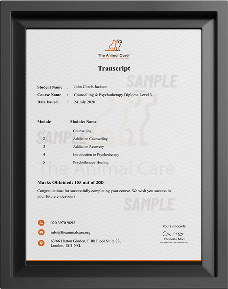
Once you’ve successfully completed this course, you can obtain the Digital (PDF) Certificate for only £4.99. Also, you can have your printed certificate delivered by post for only £9.99 (FREE POSTAGE). With these affordable pricing on certificates, we’re also offering the PDF Transcript for £2.99.

Also, you can have your printed transcript delivered by post for only £7.99 (FREE POSTAGE). All of our courses are fully accredited, providing you with up-to-date skills and knowledge and helping you to become more competent and effective in your chosen field. Our certifications have no expiry dates, although we do recommend that you renew them every 12 months.

Reviews

Write your review

Share your feedback and help create a better experience for everyone.

Renee W. Johnston

Jan 24, 2025

The final assessment is done today. theanimalcare.org is a useful site. Highly appreciating the exceptional content.

Susan J. Kalinowski

Feb 05, 2025

I found the courses very informative so far. A care is the first platform I am writing a review for. To the newbies- before taking an online course try to gather some info about the provider, a professional platform with top accreditation will be a good choice.

Charles A. Fischer

Jan 24, 2025

Simply amazing. Took few courses during my vacation and all were good. Online courses save time and money.

Frequently Asked Questions


Yes. Experiencing several adverse childhood experiences does not determine someone’s future health, relationships or achievements. Supportive relationships, positive environments, access to appropriate services and opportunities to develop resilience can help reduce the impact of childhood adversity. An ACE score indicates exposure to certain experiences, not a person’s potential, abilities or future outcomes.


No. Although research links adverse childhood experiences with an increased risk of certain mental and physical health difficulties, an ACE score cannot reliably predict an individual’s future. Two people with the same score may have very different experiences and outcomes. Factors such as the nature of the adversity, its duration, individual circumstances and protective relationships also matter.


Yes. Safe relationships, supportive caregivers, positive friendships, stable environments and trusted adults can help children develop resilience when facing adversity. These protective experiences can support emotional development, a sense of belonging and healthy coping skills. Recognising protective factors is therefore just as important as identifying the risks associated with adverse childhood experiences.


Not automatically. Asking about past adversity requires sensitivity, appropriate training, clear safeguarding procedures and access to suitable support if someone becomes distressed or discloses abuse. UK evidence reviews have also highlighted insufficient evidence to recommend universal ACE screening programmes. Professionals should therefore consider the purpose of asking, the individual’s circumstances and whether meaningful support is available.


Yes. Traditional ACE questionnaires cover a defined range of experiences, including abuse, neglect and household difficulties, but they do not capture every form of childhood adversity. Experiences such as homelessness, poverty, bullying, community violence and discrimination may also affect a child’s emotional wellbeing and development. Professionals should consider the wider circumstances of a child’s life rather than relying solely on an ACE checklist or numerical score.

Quick Pay
Animal Care Level 3 Course
Original price was: £299.Current price is: £24.99. ex Vat

Save Upto 95% - Ends Soon!

Offer Ends in

  • validity Access
    01 Year
  • level Level
    Level 3
  • schedule Students
    1248
  • schedule Duration
    5 hours, 23 minutes
Use Coupon: ALL39
£11 /Unit Price
£110
Quantity:

Buying more than one of the same courses?

  • 45% discount for orders of 10+ courses
  • 55% discount for orders of 50+ courses
  • 65% discount for orders of 100+ courses

Looking for a more personalised package?

contact us now
top