Adverse Childhood Experiences (ACEs) Overview
Adverse childhood experiences, or ACEs, are stressful or traumatic events that happen before the age of 18, such as abuse, neglect, and growing up with domestic abuse, parental mental ill health or substance misuse. They are common: a Public Health Wales study found that nearly half of adults in Wales had experienced at least one ACE.
This course explores how adversity can shape a child’s development, relationships and wellbeing, and why some children recover better than others. You will examine resilience, recovery and trauma-informed practice, alongside the safeguarding duties and professional responsibilities that apply across the UK.
It also asks the harder questions. You will look at the evidence behind ACEs, the ethics of using the framework, and the debates around it, then apply what you learn to your own practice. It is relevant to anyone who works with children, families or the adults they grow into.
Learning Outcomes
By the end of this course, you will be able to:
Explain what adverse childhood experiences are and the types of adversity they include.
Describe how ACEs can affect a child’s emotional, social, cognitive and physical development.
Understand the link between childhood adversity and outcomes later in life.
Explain how resilience and protective relationships help children recover.
Describe the principles of trauma-informed practice and how they apply to your role.
Explain your safeguarding and professional responsibilities in the UK.
Evaluate the strengths and limitations of ACE research and the framework’s use in practice.
Recognise the ethical risks of labelling or screening children.
Apply ACE awareness to practice and identify your own development needs.
Course Media
Assesment
After completing all the modules of the Adverse Childhood Experiences (ACEs) training, your learning will be assessed by an automated multiple-choice question exam. You can participate in the Mock Exam prior to commencing the course completion Final Exam.
Who is this Adverse Childhood Experiences (ACEs) Course for?
- Teachers, teaching assistants and pastoral staff who see how adversity affects behaviour, attendance and learning.
- Early years practitioners supporting children during the most formative stage of development.
- Social workers and family support workers assessing needs and building trust with families.
- Health visitors, school nurses and other healthcare staff who may be the first to notice the effects of childhood adversity.
- Youth workers and residential childcare workers supporting young people with complex histories.
- Foster carers, adopters and kinship carers caring for children who have experienced trauma.
- Police, youth justice and probation staff who meet people whose difficulties often began in childhood.
What You’ll Gain from Adverse Childhood Experiences (ACEs) Course
What Counts as an ACE
Understand the origins of the ACE framework and the kinds of adversity it covers, from abuse and neglect to difficult home environments.
How Adversity Shapes Development
Explore how early stress can affect the way a child learns, regulates emotions, forms relationships and develops physically.
Why Outcomes Differ
Learn why two children with similar experiences can have very different outcomes, and what protective factors and trusted relationships can change.
Pathways to Recovery
See how recovery happens in practice, and why safe, consistent relationships matter more than any single intervention.
Trauma-Informed Support
Discover how to respond to children in ways that build safety and trust, and how professional support helps you sustain that work.
Your Safeguarding Responsibilities
Know your duties under UK safeguarding practice, and how to recognise when ACE awareness should lead to action and referral.
Weighing the Evidence
Look critically at the research. ACE scores describe patterns across populations, but they cannot predict what will happen to an individual child.
Ethics and Labelling
Consider the risks of defining children by their experiences, and how to use ACE awareness without stigma or assumption.
From Awareness to Action
Apply what you have learned to real practice and identify your next steps for professional development.
Why Should You Choose this Course
ACE awareness now shapes the way many UK services think about children and families. Understanding it well means knowing both what it explains and where it falls short. This course covers both, so you can use the framework with confidence and without overreach.
The curriculum moves from understanding adversity to responding to it. You will study development, resilience and recovery, then connect them to trauma-informed practice, safeguarding responsibilities and ethical decision-making. Its focus on evidence and contemporary debate helps you avoid common misuses, such as treating an ACE score as a prediction.
Study online, on any device, at your own pace. Check your understanding with the Mock Exam, then earn a free accredited certificate on completion.
Requirements
No previous experience or formal qualifications are required to enrol in this course. You can access the course from any kind of e-device, allowing you to study anytime and anywhere at your own pace.
Career Path
Teaching Assistant Supports teachers and pupils in the classroom, often noticing how difficult experiences show up in a child’s learning and behaviour.
Salary: £19,000 – £26,000 per yearFamily Support Worker Offers early help to families, working alongside schools, health teams and children’s services.
Salary: £26,000 – £37,000 per yearYouth Worker Supports young people aged 11 to 25 with their personal, social and educational development.
Salary: £22,000 – £35,000 per yearResidential Childcare Worker Provides daily care for children in children’s homes, many of whom have experienced trauma or instability.
Salary: £26,000 – £31,000 per yearDesignated Safeguarding Lead Leads safeguarding and child protection in a school or college. The course may complement the experience and training this role normally requires.
Salary: £30,000 – £45,000 per yearSocial Worker Protects and supports children, adults and families. Practising requires an approved social work qualification and professional registration, but this course provides relevant background knowledge.
Salary: £32,000 – £48,000 per year
Course Curriculum
| Module 01: Foundations of Adverse Childhood Experiences | |||
| Module 01: Foundations of Adverse Childhood Experiences | 00:20:00 | ||
| Module 02: The Impact of ACEs on Child Development | |||
| Module 02: The Impact of ACEs on Child Development | 00:20:00 | ||
| Module 03: Trauma, Resilience and Recovery | |||
| Module 03: Trauma, Resilience and Recovery | 00:20:00 | ||
| Module 04: Trauma-Informed Practice and Professional Support | |||
| Module 04: Trauma-Informed Practice and Professional Support | 00:20:00 | ||
| Module 05: UK Safeguarding and Professional Responsibilities | |||
| Module 05: UK Safeguarding and Professional Responsibilities | 00:20:00 | ||
| Module 06: Evidence, Ethics and Contemporary Perspectives | |||
| Module 06: Evidence, Ethics and Contemporary Perspectives | 00:20:00 | ||
| Module 07: Applied ACE Awareness and Professional Development | |||
| Module 07: Applied ACE Awareness and Professional Development | 00:20:00 | ||
Certification
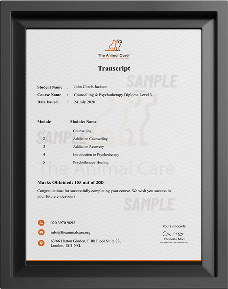
Once you’ve successfully completed this course, you can obtain the Digital (PDF) Certificate for only £4.99. Also, you can have your printed certificate delivered by post for only £9.99 (FREE POSTAGE). With these affordable pricing on certificates, we’re also offering the PDF Transcript for £2.99.
Also, you can have your printed transcript delivered by post for only £7.99 (FREE POSTAGE). All of our courses are fully accredited, providing you with up-to-date skills and knowledge and helping you to become more competent and effective in your chosen field. Our certifications have no expiry dates, although we do recommend that you renew them every 12 months.
Reviews
Write your review
Share your feedback and help create a better experience for everyone.

Renee W. Johnston
Jan 24, 2025
The final assessment is done today. theanimalcare.org is a useful site. Highly appreciating the exceptional content.

Susan J. Kalinowski
Feb 05, 2025
I found the courses very informative so far. A care is the first platform I am writing a review for. To the newbies- before taking an online course try to gather some info about the provider, a professional platform with top accreditation will be a good choice.

Charles A. Fischer
Jan 24, 2025
Simply amazing. Took few courses during my vacation and all were good. Online courses save time and money.
Frequently Asked Questions
Yes. Experiencing several adverse childhood experiences does not determine someone’s future health, relationships or achievements. Supportive relationships, positive environments, access to appropriate services and opportunities to develop resilience can help reduce the impact of childhood adversity. An ACE score indicates exposure to certain experiences, not a person’s potential, abilities or future outcomes.
No. Although research links adverse childhood experiences with an increased risk of certain mental and physical health difficulties, an ACE score cannot reliably predict an individual’s future. Two people with the same score may have very different experiences and outcomes. Factors such as the nature of the adversity, its duration, individual circumstances and protective relationships also matter.
Yes. Safe relationships, supportive caregivers, positive friendships, stable environments and trusted adults can help children develop resilience when facing adversity. These protective experiences can support emotional development, a sense of belonging and healthy coping skills. Recognising protective factors is therefore just as important as identifying the risks associated with adverse childhood experiences.
Not automatically. Asking about past adversity requires sensitivity, appropriate training, clear safeguarding procedures and access to suitable support if someone becomes distressed or discloses abuse. UK evidence reviews have also highlighted insufficient evidence to recommend universal ACE screening programmes. Professionals should therefore consider the purpose of asking, the individual’s circumstances and whether meaningful support is available.
Yes. Traditional ACE questionnaires cover a defined range of experiences, including abuse, neglect and household difficulties, but they do not capture every form of childhood adversity. Experiences such as homelessness, poverty, bullying, community violence and discrimination may also affect a child’s emotional wellbeing and development. Professionals should consider the wider circumstances of a child’s life rather than relying solely on an ACE checklist or numerical score.
Save Upto 95% - Ends Soon!
Offer Ends in
-
01 Year
Access
-
Intermediate
Level
-
0
Students
-
2 hours, 20 minutes
Duration
Buying more than one of the same courses?
- 45% discount for orders of 10+ courses
- 55% discount for orders of 50+ courses
- 65% discount for orders of 100+ courses
Looking for a more personalised package?
contact us nowRelated CoursesView All Courses
Child Sexual Exploitation (CSE)
£299Original price was: £299.£24.99Current price is: £24.99. ex Vat04.8Child Criminal Exploitation (CCE)
£299Original price was: £299.£24.99Current price is: £24.99. ex Vat04.8